Covering and attachment
Shingles, caps or panels are checked for physical damage, lifted edges and details that allow water beneath the surface.
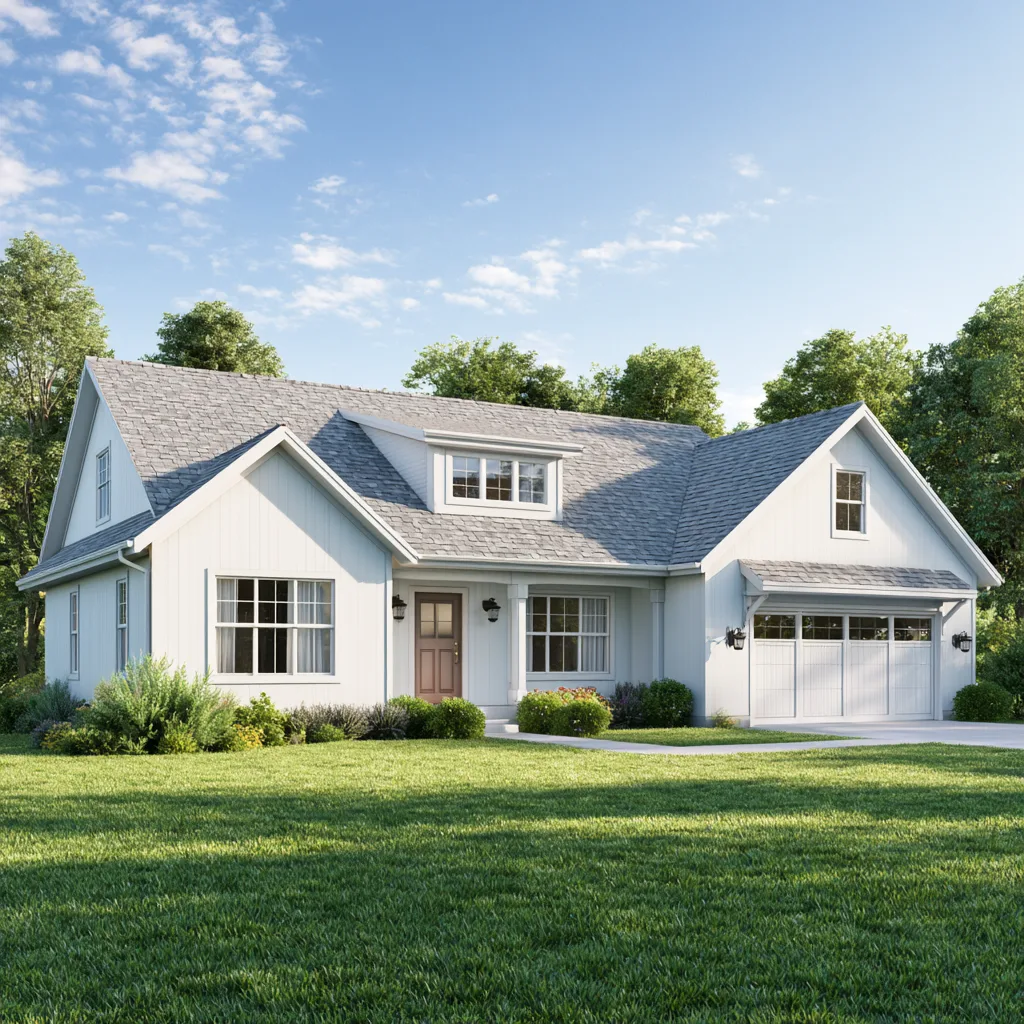
A free inspection puts the roof’s condition in view before you decide on repairs or replacement.
A missing tab is easy to notice from the yard. The condition of the shingles around it, the attachment and the flashing that joins the roof to a wall are harder to judge from below. A roofer walks the roof when access is safe and examines the concern in its surrounding assembly.
The visit can distinguish an isolated failed detail from deterioration that changes the larger roof plan. It is not a promise that every concealed layer is visible or that every mark can be dated to one storm.
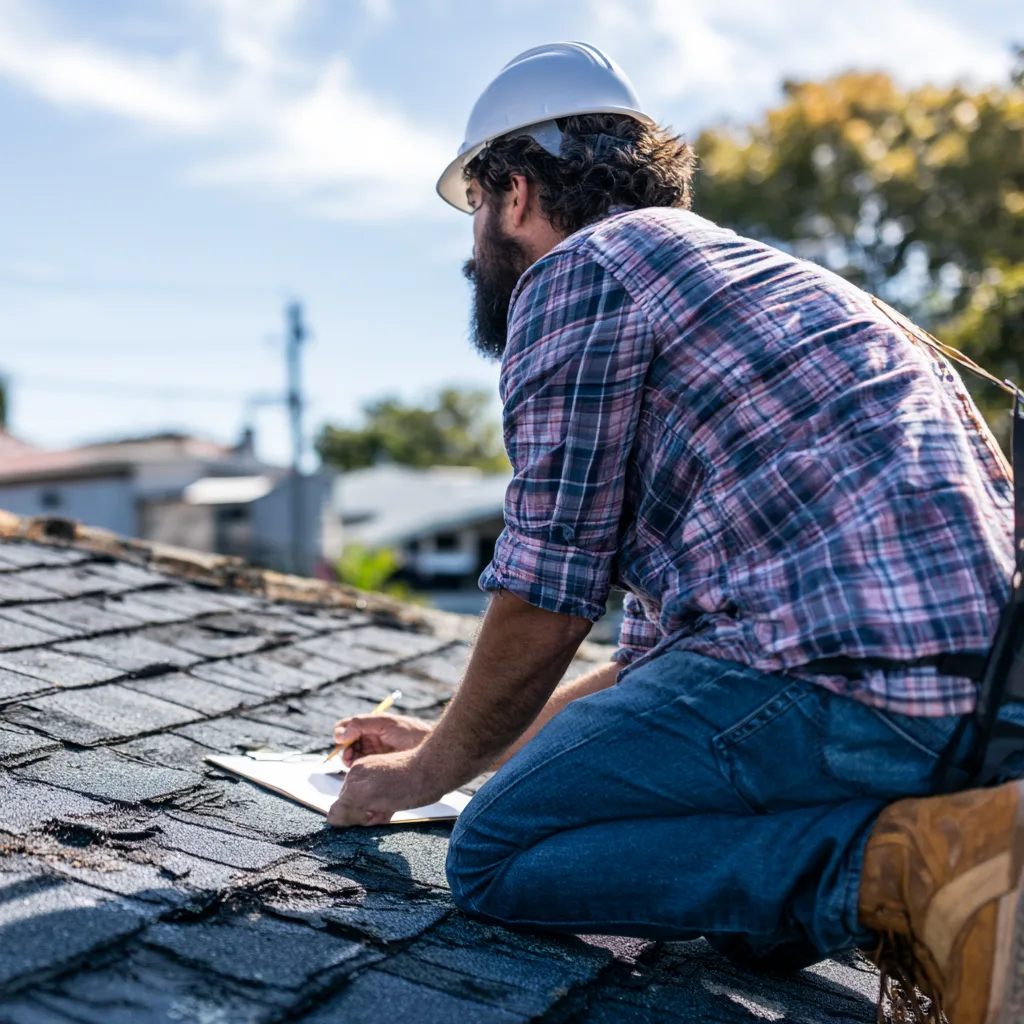
The concern you describe gives the inspection a starting point; the roof around it supplies the context.
Shingles, caps or panels are checked for physical damage, lifted edges and details that allow water beneath the surface.
Vent pipes, wall connections, valleys and roof edges need intact transitions. A sound field of shingles does not eliminate a flashing leak.
The condition and compatibility of adjoining material help determine whether a contained repair can be completed. Concealed damage may need a further look during work.
The value is an understandable next decision.
Separate the visible failed detail from the parts that still appear serviceable.
Discuss local repair, wider replacement or further investigation where the roof hides the answer.
For work that is needed, clarify the material, scope and conditions that could change it.
No. Free inspections and roof walks are approved. Safe access and the condition of the roof determine how the visit can be carried out.
No. The inspection addresses physical roofing condition. Coverage, cause and payment depend on the policy and claim process.
No. Tell us what you have noticed from the ground or indoors. Leave roof access to the inspection.
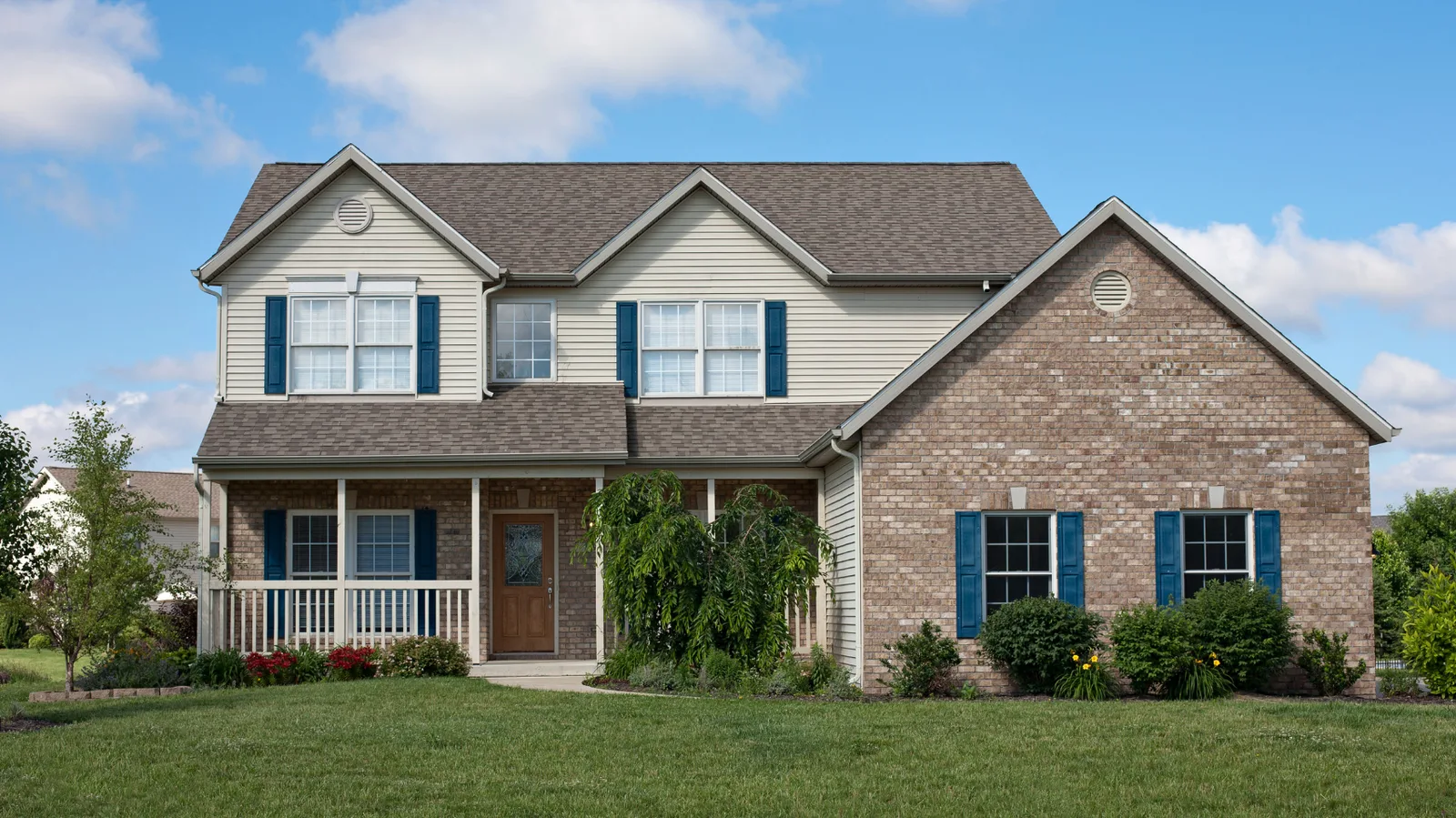
A leak, storm concern or roofing decision is enough reason to get in touch.