Repair extent
The amount of damaged material, compatible replacements and safe access drive the roofing work.
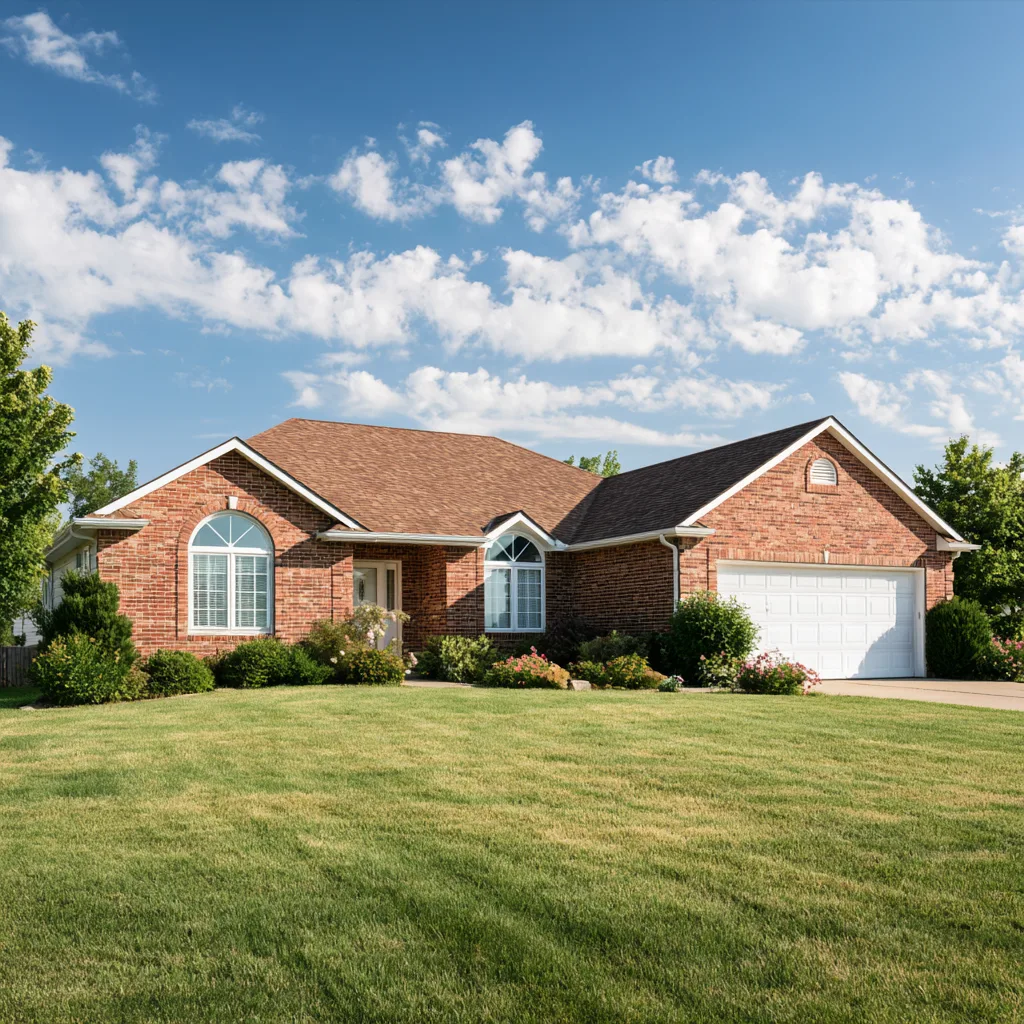
A hail concern needs a look at the roof material and its condition, followed by a repair plan that fits the damage.
An impact can disturb the protective granular surface or damage the shingle mat beneath it. Wear, blistering and installation defects can produce other marks, so visible spotting is not enough to declare the cause of every defect.
We assess the covering and affected details, then look at whether a local repair can connect to sound surrounding material. A metal dent, a shingle impact and a punctured membrane are different findings with different repair consequences.

A roof’s response to impact is specific to the material and the condition found.
The roofing scope describes physical work. Policy terms determine what portion is covered.
The amount of damaged material, compatible replacements and safe access drive the roofing work.
An impact-rated product is a material choice, not a promise that future hail cannot damage the roof or that insurance will pay for an upgrade.
Deductible, depreciation, exclusions and the insurer’s covered scope remain separate from a contractor’s price.
No. Test ratings describe performance under stated test conditions. They do not make the installed roof immune to every storm.
No. Inspection findings, property history and weather evidence have to be considered together. A roof inspection alone cannot date every defect.
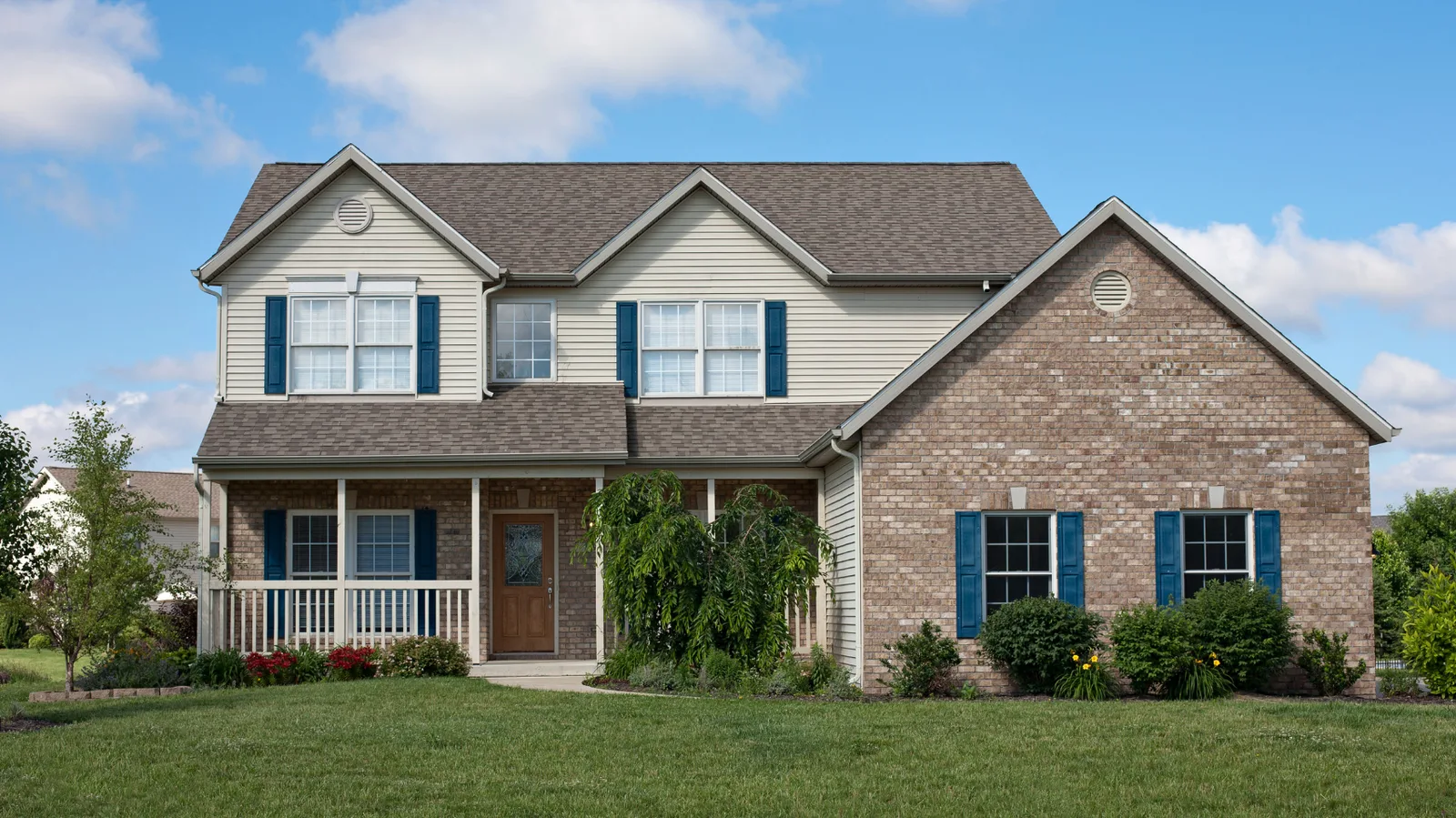
Request a free inspection and explain what you noticed after the weather.