Standing seam
Panel profile, seam type and attachment must suit the roof pitch and product requirements. Penetrations need details designed for that system.
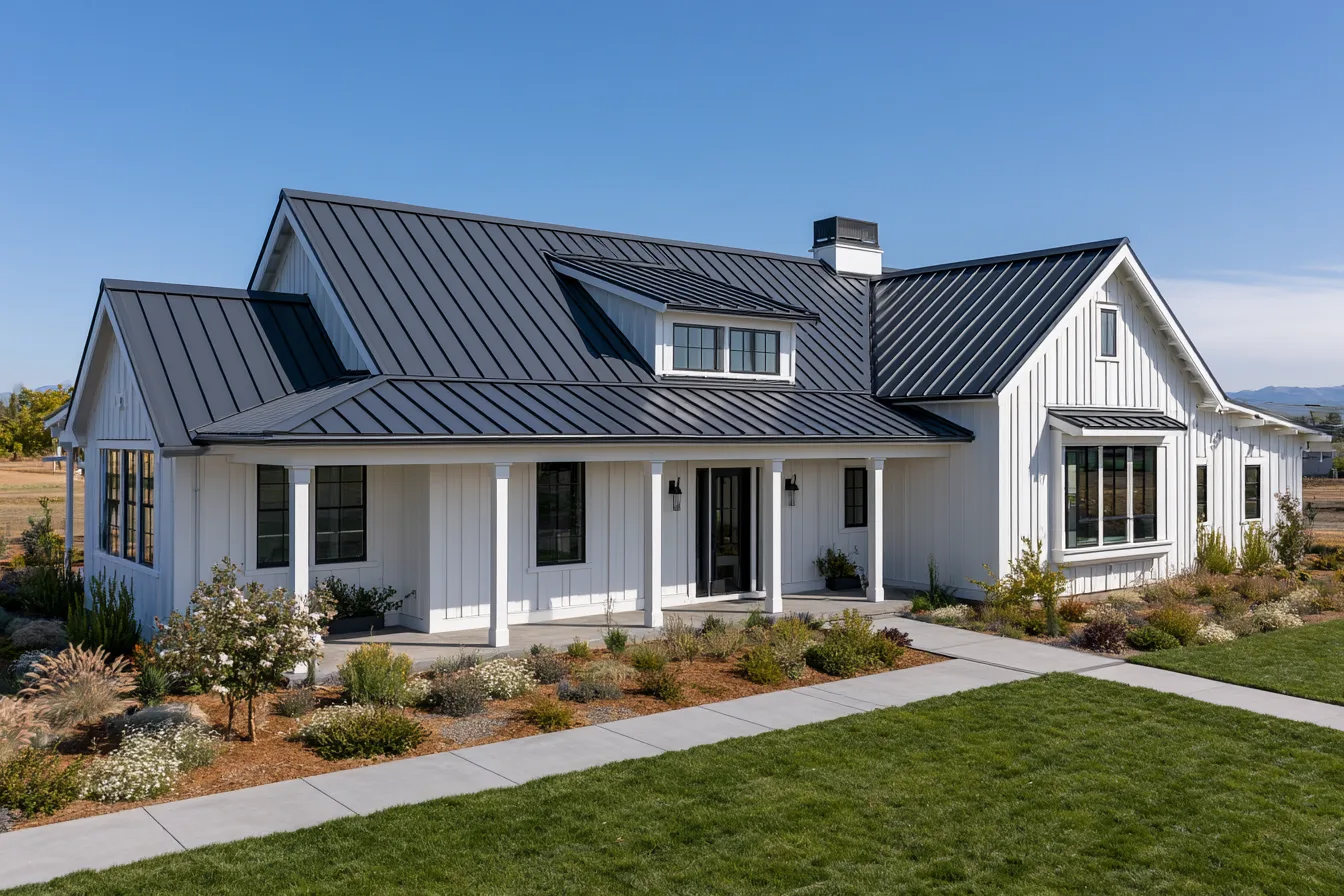
Metal roofing needs a panel system and details that fit the building, from attachment and seams to penetrations and drainage.
Standing-seam roofing conceals attachment beneath raised seams. Exposed-fastener panels use visible fasteners and washers through the panel surface. Those systems have different installation and maintenance details, so “metal roof” alone does not define the work.
Panels expand and contract with temperature. The attachment, seams, terminations and flashings need to accommodate that movement. A rigid patch at a moving joint can leave the same leak returning.
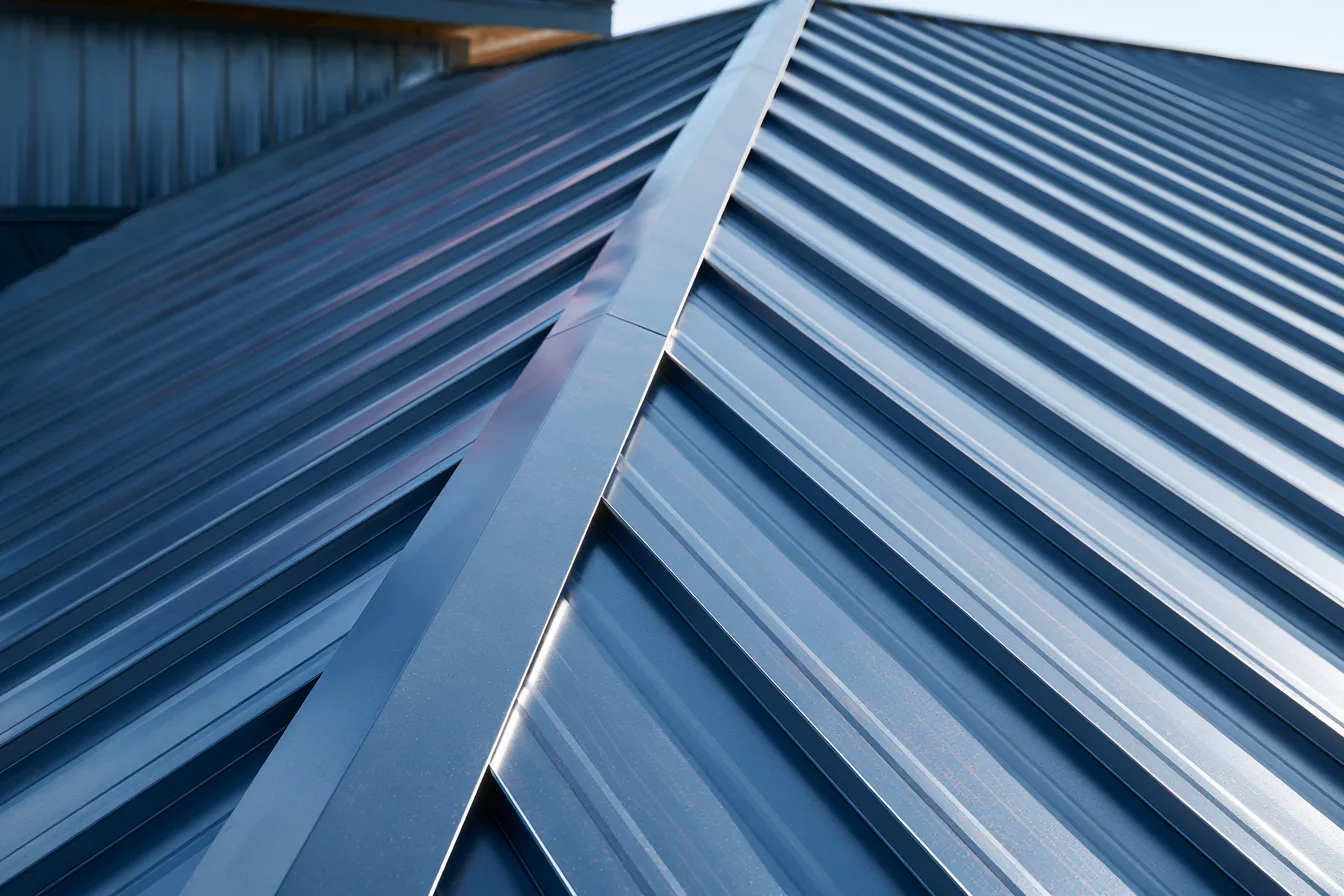
Choose the system and repair approach together.
Panel profile, seam type and attachment must suit the roof pitch and product requirements. Penetrations need details designed for that system.
Washer condition, fastener seating, panel laps and underlying support are relevant to leak repair. Replacing random screws does not correct every panel issue.
These use their own interlocking and flashing details. Their appearance does not make them interchangeable with long panels.
A repair needs to preserve the panel’s water path and movement.
Repair products and replacement metal need compatibility with the existing finish and assembly.
A small puncture differs from deteriorated panels or distorted seams. Widespread failure can require replacement rather than coating.
Wet insulation, damaged decking and incompatible older assemblies can change a surface-focused job.
The architectural-asphalt calculator does not price metal. Metal work needs a system-specific scope.
Profile, seam design, roof length, valleys and penetrations affect material and labor.
Existing layers, deck repairs, insulation and equipment access change the installed project.
Hail can dent metal. The effect on the coating, seams and water shedding has to be assessed separately from appearance, and insurance terms can treat cosmetic damage differently.
No. Corrosion, loose attachment, failed seams and trapped moisture need assessment first. A compatible coating can be part of a restoration scope only when the roof can support it.
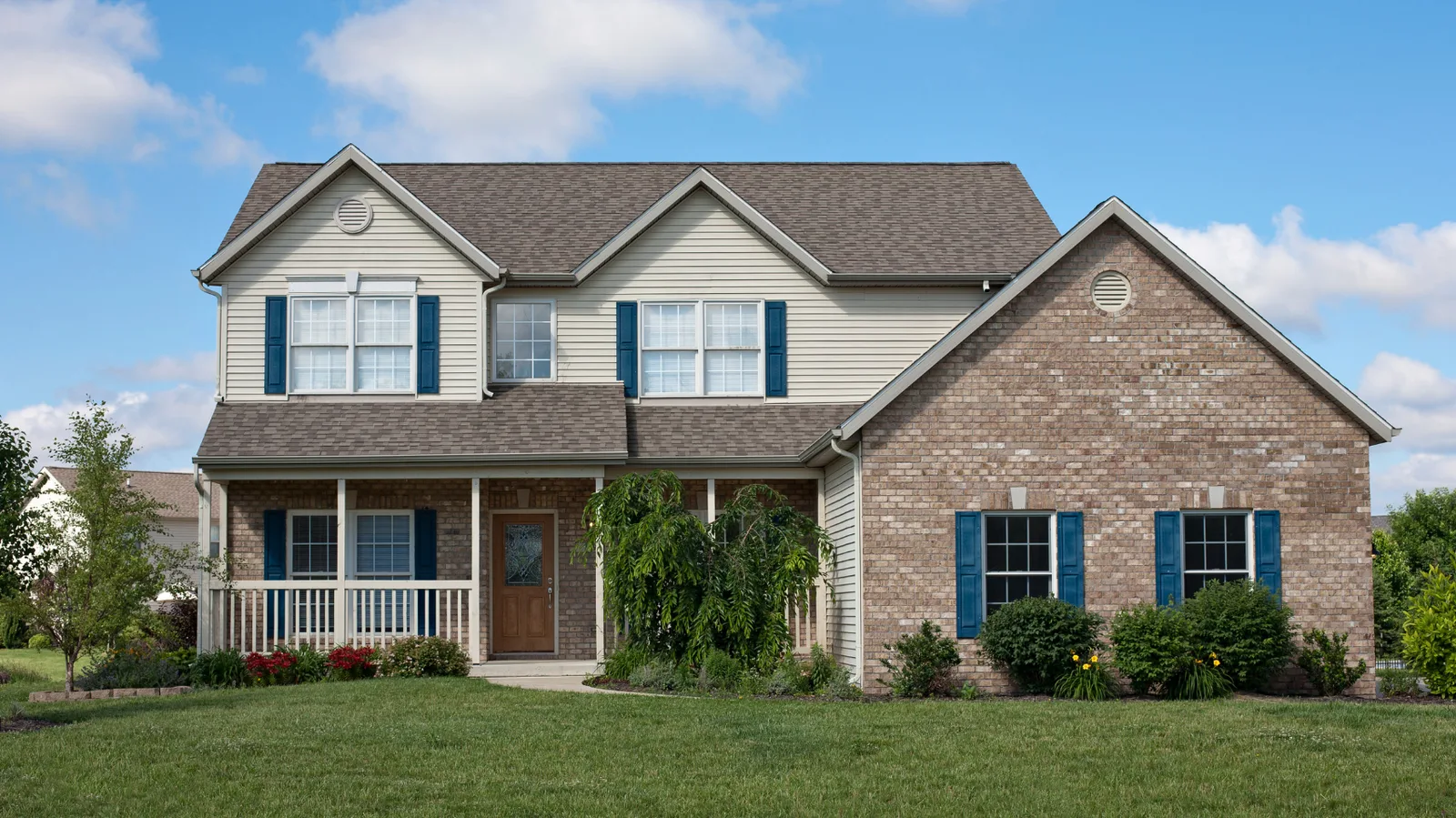
Tell us the property location and whether you need a leak assessed or a replacement planned.