Water leaving the roof
Check drains, scuppers and nearby debris accumulation. Repeated standing water needs more than clearing the same outlet.
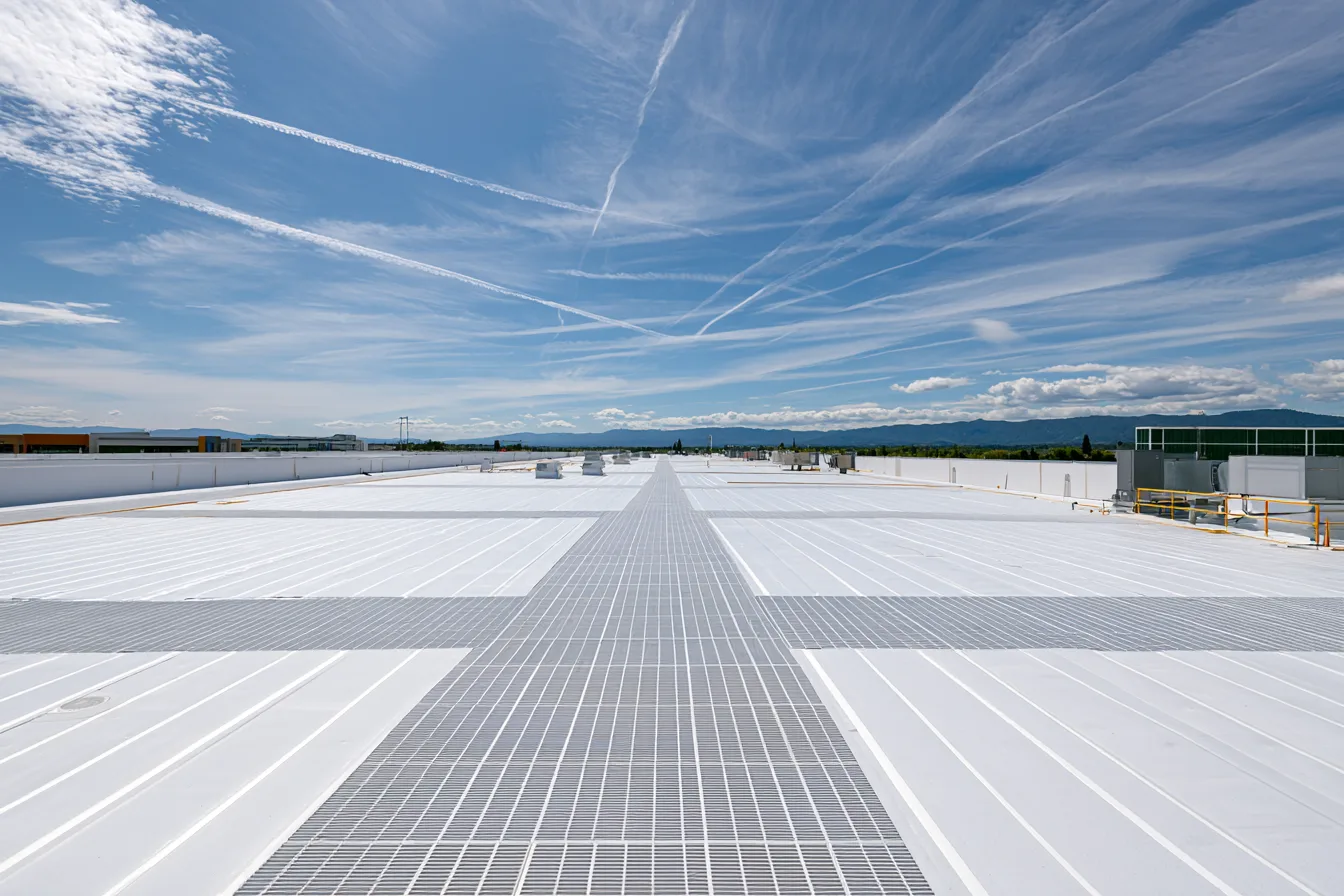
Keep developing roof problems visible before they become a larger interruption inside the building.
A usable maintenance plan follows the roof system and the way people use the building. Drains and scuppers need to remain clear. Equipment service routes, penetrations and prior repairs need attention because the roof is interrupted wherever another component passes through it. The purpose is to identify work while its scope can still be understood, not to promise that maintenance prevents every leak.
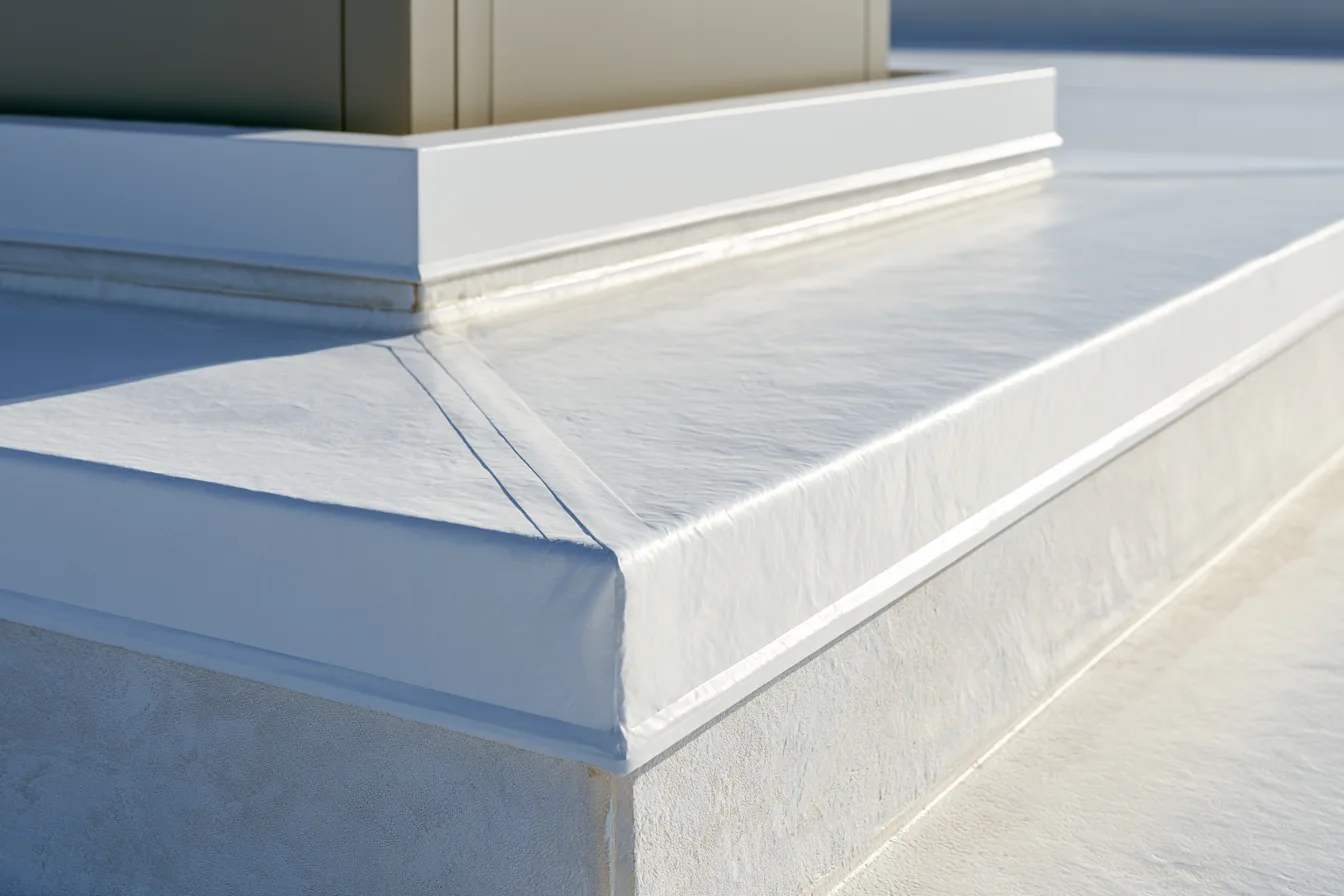
The maintenance scope is specific to the membrane or panel assembly.
Check drains, scuppers and nearby debris accumulation. Repeated standing water needs more than clearing the same outlet.
Look at seams, curbs, penetrations, edges and traffic areas for developing openings or damage.
New equipment, added pipes and work by other trades can alter flashing and access. Keep those changes in the roof record.
The record should make a later roof decision easier.
Note the system, location and relevant roof detail.
Cleaning drainage and repairing a failed seam have different scopes.
Widespread deterioration, moisture or repeated failures belong in a repair/restoration/replacement plan.
Building size alone does not describe the visit.
Height, safe access, equipment density and restricted operating areas affect the work.
Existing defects, wet layers and neglected drainage can move the job beyond ordinary maintenance.
No. Warranty conditions are specific to the actual contractor, manufacturer and installed system. No warranty extension is promised here.
No. Report active water entry or visible damage so the problem can be assessed as a repair concern.
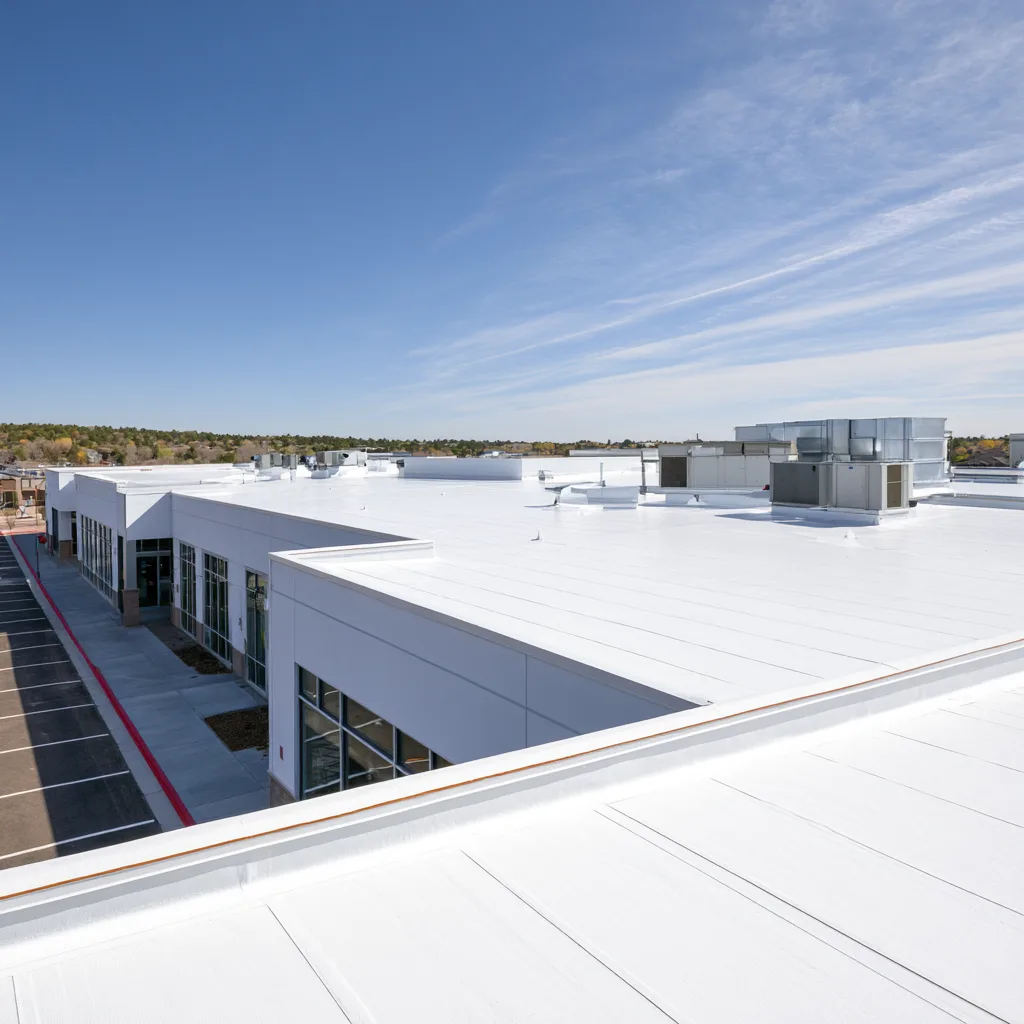
Share the building type, system if known and the roof concerns you want addressed.