Seams and aged membrane
Surface preparation and a suitable weldable area matter. Contamination or deterioration can require a larger repair boundary.
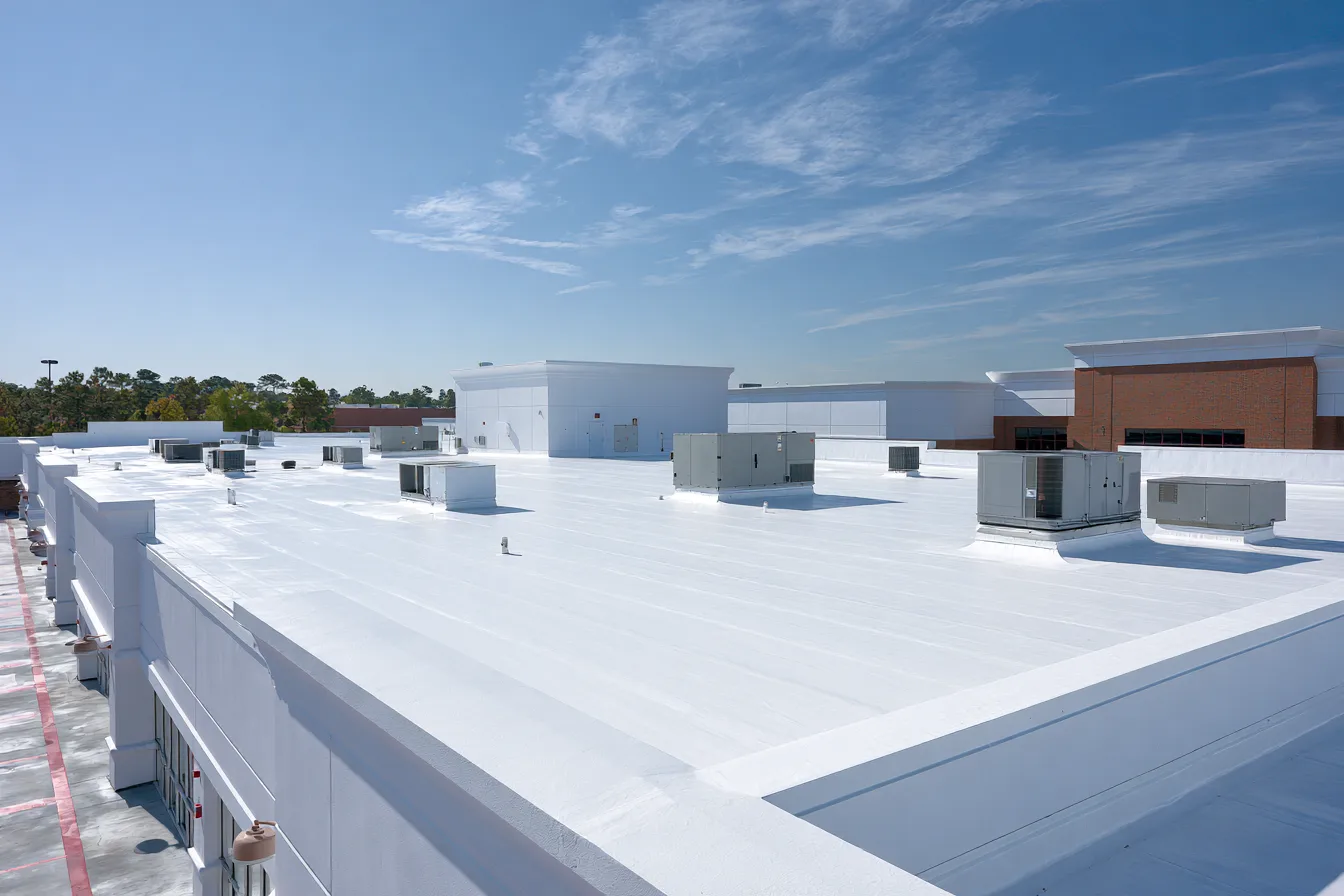
A TPO roof needs sound welded seams and well-built details at every interruption in the membrane.
TPO is a thermoplastic single-ply membrane with heat-welded seams. The field sheet, laps, perimeter and flashings at curbs and pipes form one water-control surface. An opening at a seam and a puncture from rooftop traffic call for different repair details. We assess the existing material and the layers below before defining the repair.
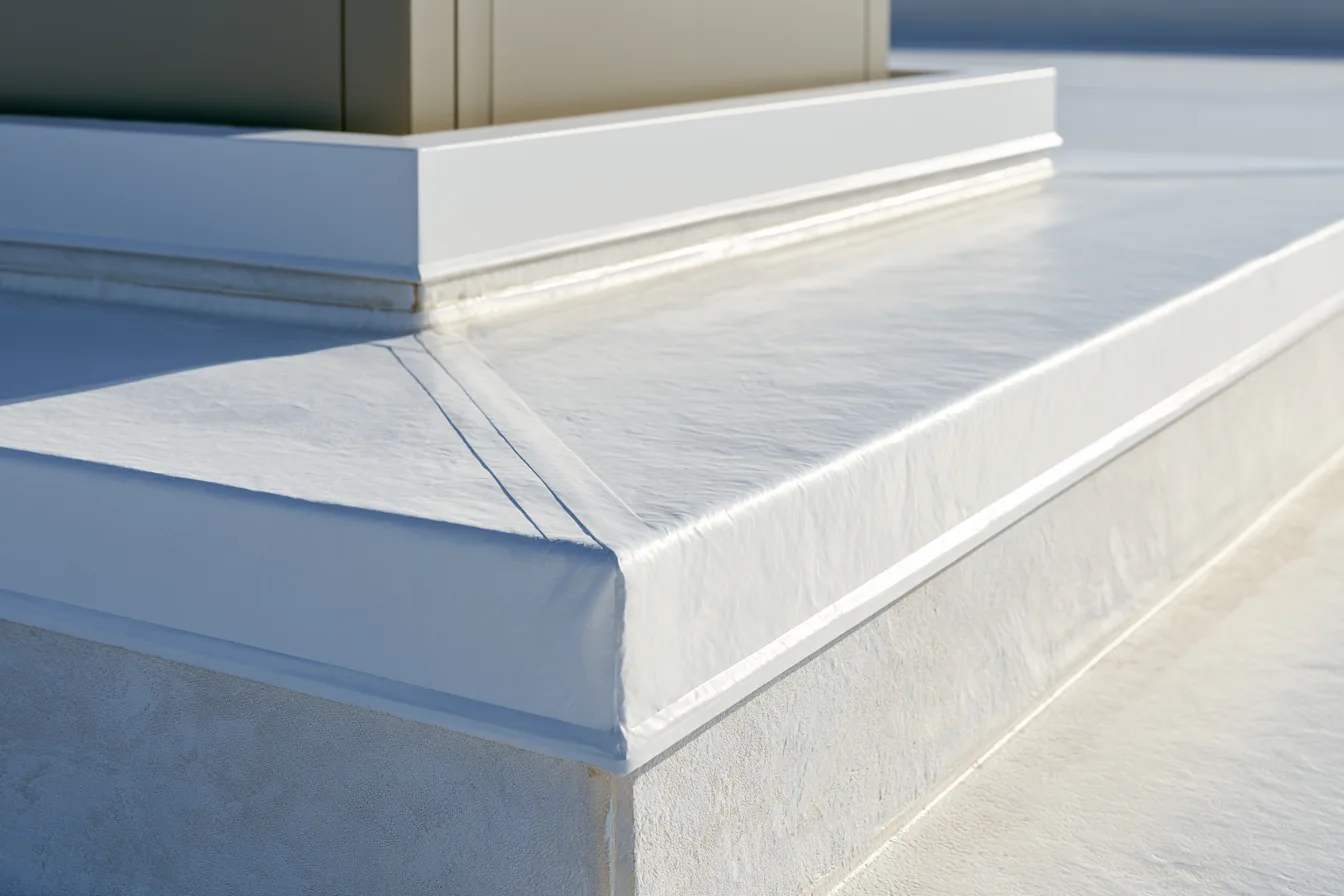
A compatible patch must connect to membrane that can accept the required repair.
Surface preparation and a suitable weldable area matter. Contamination or deterioration can require a larger repair boundary.
Corners and pipe details need compatible flashing. Service routes and walk pads help separate normal equipment access from avoidable membrane damage.
Wet insulation or failed attachment is a wider assembly problem. A new surface cannot make those layers sound.
Work is planned around an occupied building and the existing roof.
Identify membrane, attachment, wet areas and drainage.
Define compatible new work and any insulation or deck replacement.
Account for equipment service, tenant entries and protection of interior operations.
Price follows the assembly rather than a residential shingle rate.
Thickness, attachment method, curbs, edges and access affect work.
Wet insulation removal, tapered insulation and deck work can materially change the scope.
Yes, when the damaged area and surrounding membrane can accept a compatible repair. The condition of the underlying layers still matters.
No. Color does not correct drainage. The roof’s slope, drains and scuppers need their own assessment.
Share the building location and where the leak or damage is affecting operations.